Yes, Sasken achieved carbon neutrality across all its India operations in FY 2025–26 by following a disciplined strategy focused on reducing emissions at source before offsetting the unavoidable residual emissions.
Sasken’s approach began with comprehensive measurement of emissions across all three GHG Protocol scopes. During FY 2025–26, Sasken measured 2,078 tCO₂e of total emissions, comprising 194 tCO₂e (Scope 1), 520 tCO₂e (Scope 2), and 1,363 tCO₂e (Scope 3). Rather than relying solely on offsets, the company prioritized operational improvements that permanently reduce its carbon footprint.
Key actions that enabled this milestone included:
• Transition to renewable energy: 80% of electricity was sourced through direct renewable power (primarily wind energy), while the remaining 20% was offset using International Renewable Energy Certificates (I-RECs), enabling 100% renewable electricity coverage.
• Energy efficiency initiatives: Deployment of LED lighting, Building Management Systems (BMS), optimized HVAC operations, occupancy sensors, server virtualization, and procurement of energy-efficient IT infrastructure, reduced overall energy intensity.
• Low-carbon operations: Expansion of electric vehicles within the company fleet, replacement of legacy diesel generators with high-efficiency units, and initiatives to reduce emissions from employee commuting and business operations.
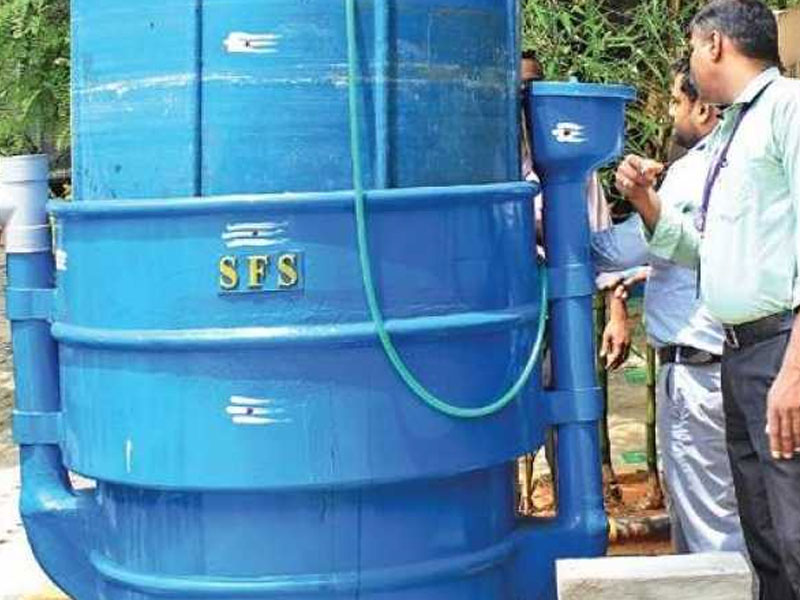
• Circular economy and resource efficiency: Waste diversion, laptop refurbishment, water conservation, recycling, and responsible procurement helped reduce Scope 3 emissions while improving resource efficiency.
• Offsetting only residual emissions: After maximizing emission reductions, the remaining emissions were neutralized through a structured mix of:
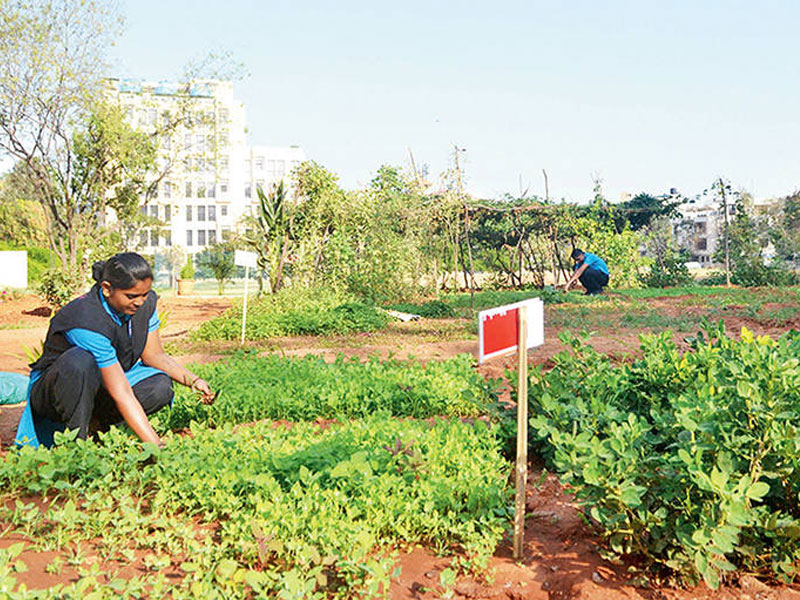
- O Community-led tree plantation and biodiversity projects (811 tCO₂e),
- O I-REC certificates for renewable electricity (520 tCO₂e), and
- O Verified Verra (VCS) carbon credits (747 tCO₂e) for residual Scope 3 emissions. This resulted in net zero emissions across all three scopes for FY 2025–26.
This achievement is supported by transparent GHG accounting aligned with the GHG Protocol, reported under GRI, BRSR, and TCFD-aligned disclosures, and reflects Sasken's long-term commitment to climate action through measurable reductions, renewable energy adoption, and responsible carbon management.